Why Films Contrast Fresh Flowers With Decay
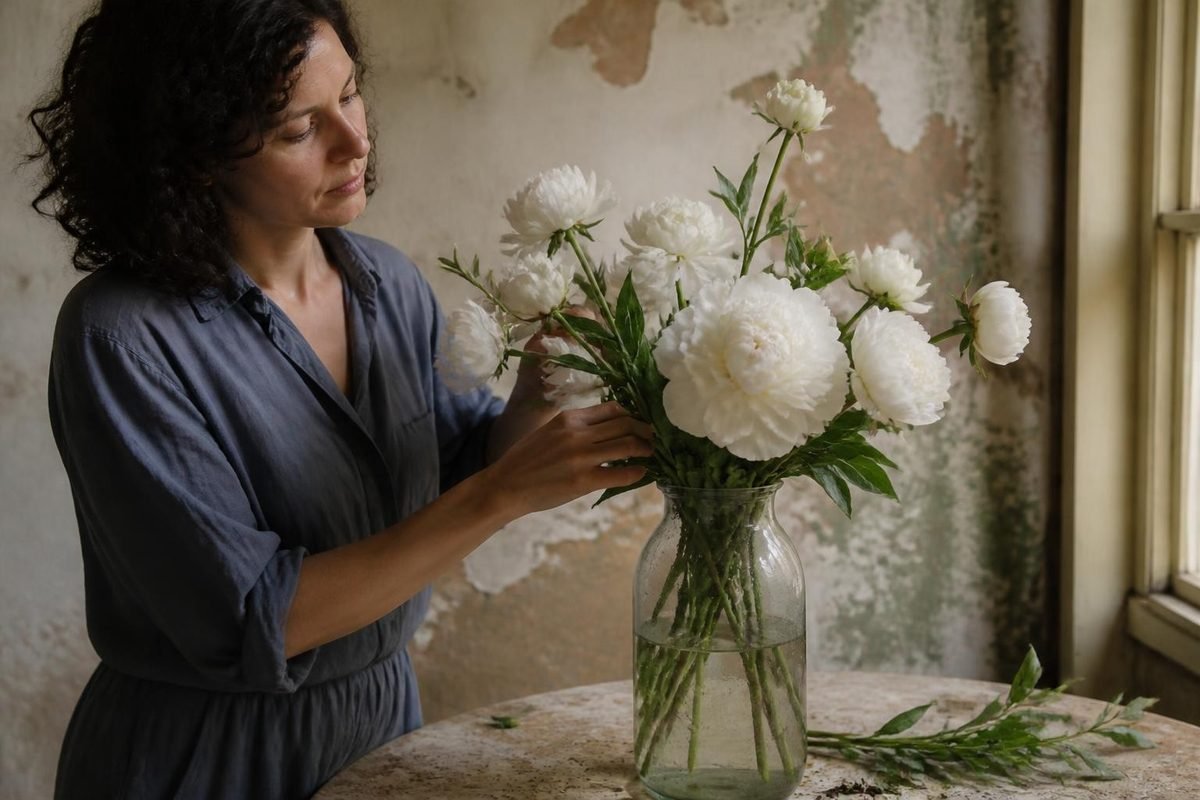
Filmmakers contrast fresh flowers with decaying surroundings to make life and deterioration visible in the same frame. The flowers can suggest hope, fragility, care or loss, depending on the story and the way the scene is filmed.
Contrast directs the eye
A flower can stand out through color and shape against a stained wall, broken furniture or bare soil. Its petals may be the brightest part of the image, especially if the rest of the setting is muted. That difference gives the viewer a clear place to look.
Placement matters as much as color. A vase in the center of an abandoned room can make the room feel larger and emptier. A small flower at the edge of the frame may reward a closer look rather than command immediate attention.
The flowers do not have to be vivid to work. Pale petals against a dark doorway can create a strong contrast, while a single stem on a dusty table can stand out because it is the only living thing nearby.
Flowers make change visible
Fresh flowers are temporary. Even when they look healthy, viewers know they will eventually wilt. Beside an aging building or a neglected room, they can suggest that both the flowers and their surroundings are changing, though at different rates.
A film may return to the same arrangement as it fades. That gives the audience a visible measure of time without needing a date on screen. If the flowers remain fresh while the room grows more damaged, the contrast can instead make the scene feel unusual or deliberately staged.
The meaning is not fixed. Flowers near a grave may point toward mourning, while flowers growing through cracked stone may suggest persistence. The action and setting guide the interpretation.
The contrast can reveal character
Someone who places flowers in a neglected space may be trying to make it welcoming, honor a person or maintain a routine. The gesture can tell us something before the character explains it. It can also create tension if the care shown to the flowers clashes with neglect elsewhere.
Different choices produce different effects:
- A carefully arranged vase can suggest an effort to preserve order.
- A handful of stems left on the floor can draw attention to absence or disruption.
- A flower growing through rubble can make the setting feel less final or lifeless.
None of these readings is automatic. A character's actions, the sound and the surrounding scenes can support or complicate them.
Filming shapes the meaning
Lighting, focus and camera distance affect how the contrast feels. A close view of clean petals against a blurred ruin may emphasize delicacy. A wide shot that makes the flowers hard to spot may put more weight on the damaged setting.
Sound can change the effect too. Quiet may make the flowers feel contemplative, while harsh noise can make their presence feel exposed. A cut from a close view of the flowers to the wider room can also shift attention from care to neglect.
The contrast works because it gives viewers two conditions to consider at once: something alive and something falling apart. Its meaning comes from how the film connects those details to the people and events around them.
You may also like learn more